NEW: AutoMynd Unveils Patient-Centered AI EMR, Automating Episodes From Referral to Reimbursement Read more →
.svg)
.svg)

A medical biller at a home care agency sits staring at a pixelated monitor, rubbing her temples as she opens yet another identical Medicare denial notice. The claim was kicked back for a missing modifier code, the same administrative hiccup that caused a cash flow delay for two other patients just last week. Traditional revenue cycle processes are fundamentally reactive, forcing human billers to fix the same mistakes over and over again. This constant loop of repetitive administrative errors is why many agencies find themselves trapped in a continuous cycle of delayed reimbursements and climbing denial rates. Upgrading to a modern, predictive home health billing software system breaks this loop entirely by introducing technology that actively learns from past mistakes.
The secret to keeping your agency out of the red is simple. You must stop relying on old filing software that treats every new medical claim like a completely isolated event. This blog explains how an intelligent, native revenue infrastructure studies past rejections, fixes formatting errors before they happen, and keeps your cash flow completely uninterrupted.

Traditional financial applications suffer from a sort of built-in amnesia. When a biller manually corrects a denied claim in an old system, that fix lives and dies within that single patient folder. The software itself does not get any smarter from the interaction. It does not look at the pattern and say to itself, "Hey, this specific commercial insurance company always rejects wound care claims structured this way."
Because the software stays blind to historical patterns, your staff is doomed to repeat the same manual labor. A nurse out in the field might forget to check a specific box on a physical therapy assessment, and the system will happily let that flawed file slide right through to the clearinghouse. Weeks later, the inevitable rejection letter arrives, and your billing cycle drops back by thirty days. It is an expensive, frustrating way to manage a healthcare business.
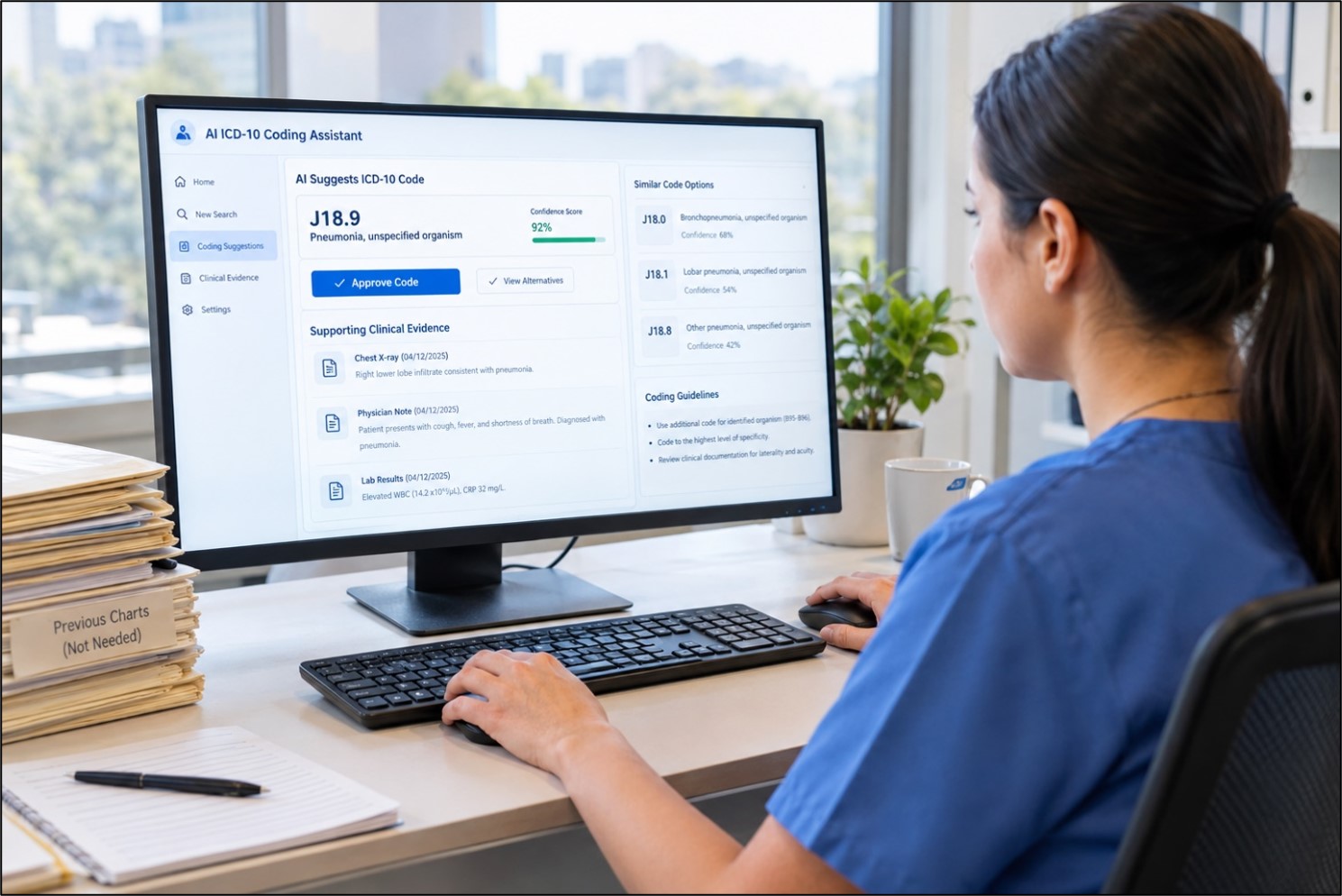
Newer, native systems approach financial tracking from an entirely different angle. Instead of using a rigid, static checklist of rules that manual programmers have to update every year, the architecture utilizes continuous pattern recognition. It sits quietly in the background, analyzing every single claim your agency sends out, noting exactly which formatting choices lead to clean approvals and which one’s trigger audits.
• Real-Time Documentation Matching: The platform cross-references clinical visit notes with structural billing requirements as the nurse types, ensuring that the documented care perfectly justifies the specific codes requested.
• Proactive Payer Profiling: Every commercial insurance provider has their own hidden quirks and unwritten formatting preferences. The engine maps these distinct payer habits automatically, adjusting submission structures based on what worked last time.
• Automated Compliance Triggers: If a field nurse documents a medication change but forgets to update the master clinical profile, the system intercepts the mistake immediately, flagging the discrepancy before the file ever reaches a human reviewer.
• Dynamic Claim Pre-Auditing: Before any financial packet leaves your digital dashboard, the software runs a simulation based on historical rejection data to predict the exact probability of an approval.

This technological shift changes the daily role of your office staff. Instead of acting like frantic firefighters chasing down old, rejected claims from two months ago, your financial team transitions into proactive managers. They spend their time reviewing high-value, clean accounts rather than hunting down missing tracking numbers.
When a biller logs in, the platform does not just present a list of problems. It provides direct, automated solutions based on historical success. If a claim matches a pattern that was rejected three weeks ago, the software automatically suggests the precise correction needed before submission. This level of automated foresight minimizes human error and guarantees a remarkably consistent revenue flow.
Fixing your billing engine does more than just speed up your daily cash collections. It builds a long-term data asset for your entire organization. As the system processes thousands of claims over months of operation, its predictive capabilities become sharper and more accurate, forming a protective shield around your agency's bottom line.
Clean, predictable financial cycles give you the confidence to expand your business. You can recruit more field staff, accept complex patient cases, and invest in better clinical equipment without worrying whether a sudden wave of arbitrary medical denials will paralyze your business operations next month.
Relying on old software and manual human memory to fight modern insurance companies is a losing battle. The regulatory environment changes too quickly, and the financial penalties for slow processing are simply too high. Agencies that want to thrive need a financial infrastructure that actively learns, adapts, and grows smarter with every single transaction. AutoMynd provides a fully native platform built specifically to streamline clinical documentation and automate administrative tracking, turning your financial workflow into a smooth, self-correcting machine that protects your revenue and lets your team focus on care.
The vast majority of rejections stem from simple clerical oversights, including mismatched patient identification numbers, missing authorization codes, and clerical discrepancies between the clinical field notes and the final diagnostic codes submitted.
Predictive tools analyze past approval and rejection patterns across specific payers. By simulating the clearinghouse review process prior to actual submission, the system catches formatting mistakes and missing variables while the claim is still in draft form.
Advanced financial engines automatically update their internal compliance logic by analyzing systemic responses from clearinghouses and insurance providers, drastically reducing the need for manual programming or constant rule building.
It keeps the clinical team focused on patient care by catching documentation omissions at the point of care, preventing the billing team from constantly interrupting nurses days later to fix old charting mistakes.
.svg)


.png)