NEW: AutoMynd Unveils Patient-Centered AI EMR, Automating Episodes From Referral to Reimbursement Read more →
.svg)
.svg)
Nobody switches their skilled home health EMR because they're bored. They switch because the current system is costing them in denials, in clinician burnout, in hours nobody has.
But switching is also the thing agencies are most afraid of, and for good reason. A bad migration can hurt more than the problem you were trying to solve. So the question isn't just "is this new EMR better." It's "will this move actually fix what's broken, and what will it cost me to get there."
Here's what I'd look at before committing the things that don't show up in a polished demo.
The first question is scope. A lot of what's sold as an "EMR upgrade" is really a point solution a better scribe, a slicker intake tool that leaves the rest of your gaps exactly where they were.
If you're going through the pain of switching, switch to something that runs the whole episode: intake, scheduling, documentation, QA, coding, revenue cycle, as one system. Otherwise you're just adding another island to row between.
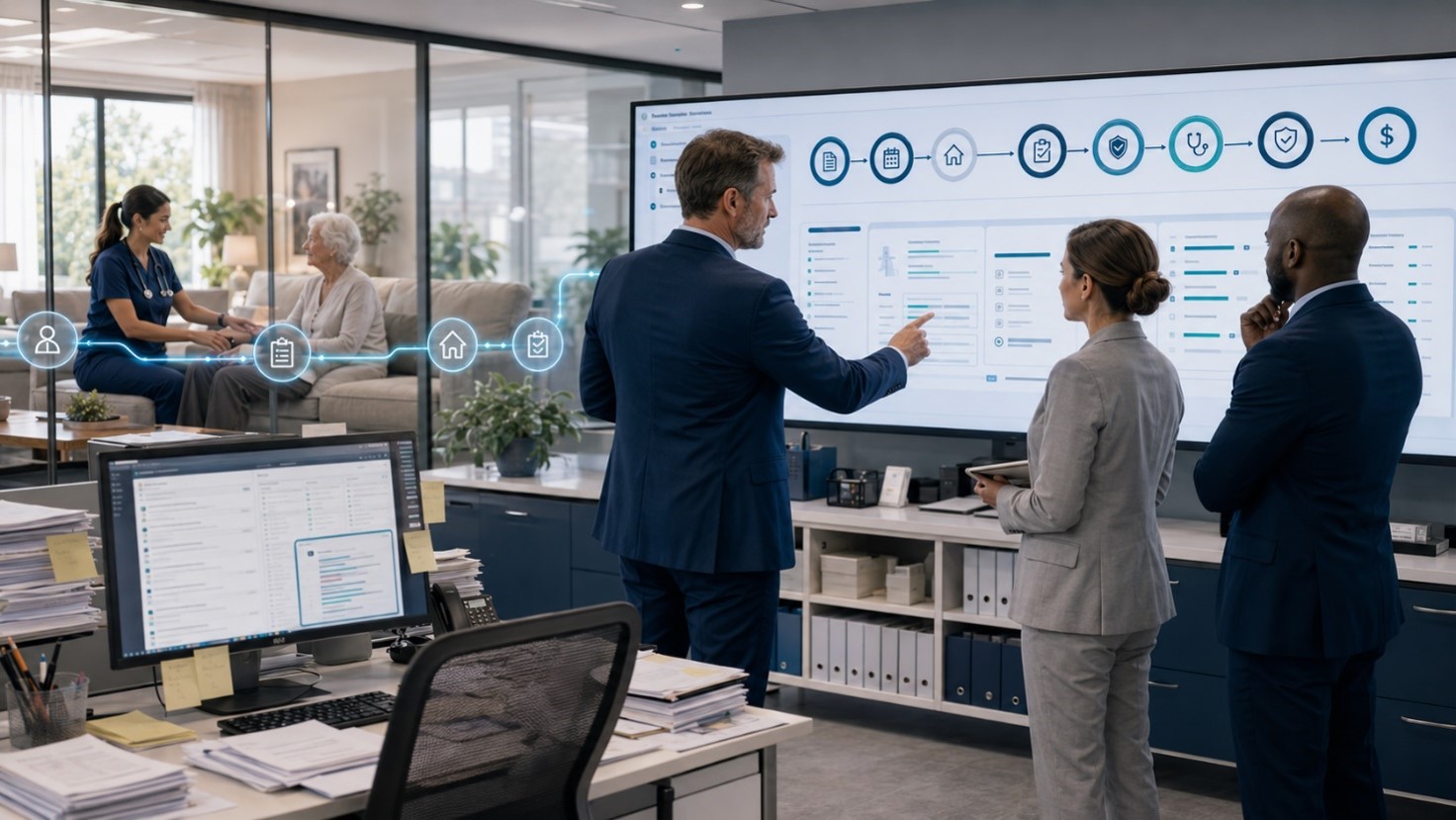
Ask the vendor to walk a single patient from referral to paid claim without leaving the system. Watch where they can't.
Everyone says "AI" now. The real question is whether the system was built around AI or had it added to a fifteen-year-old core.
It matters because bolted-on AI lives in a corner and can only see its slice. Native AI runs underneath the whole workflow and gets smarter at every step. Ask how the AI checks work, whether it sees the full episode, and importantly where it's deterministic versus where it's advisory. A vendor who can't answer that clearly hasn't thought hard enough about compliance.
For skilled home health, this is the whole ballgame. OASIS accuracy and PDGM coding decide what you get paid, and documentation quality decides how you hold up under CMS scrutiny.
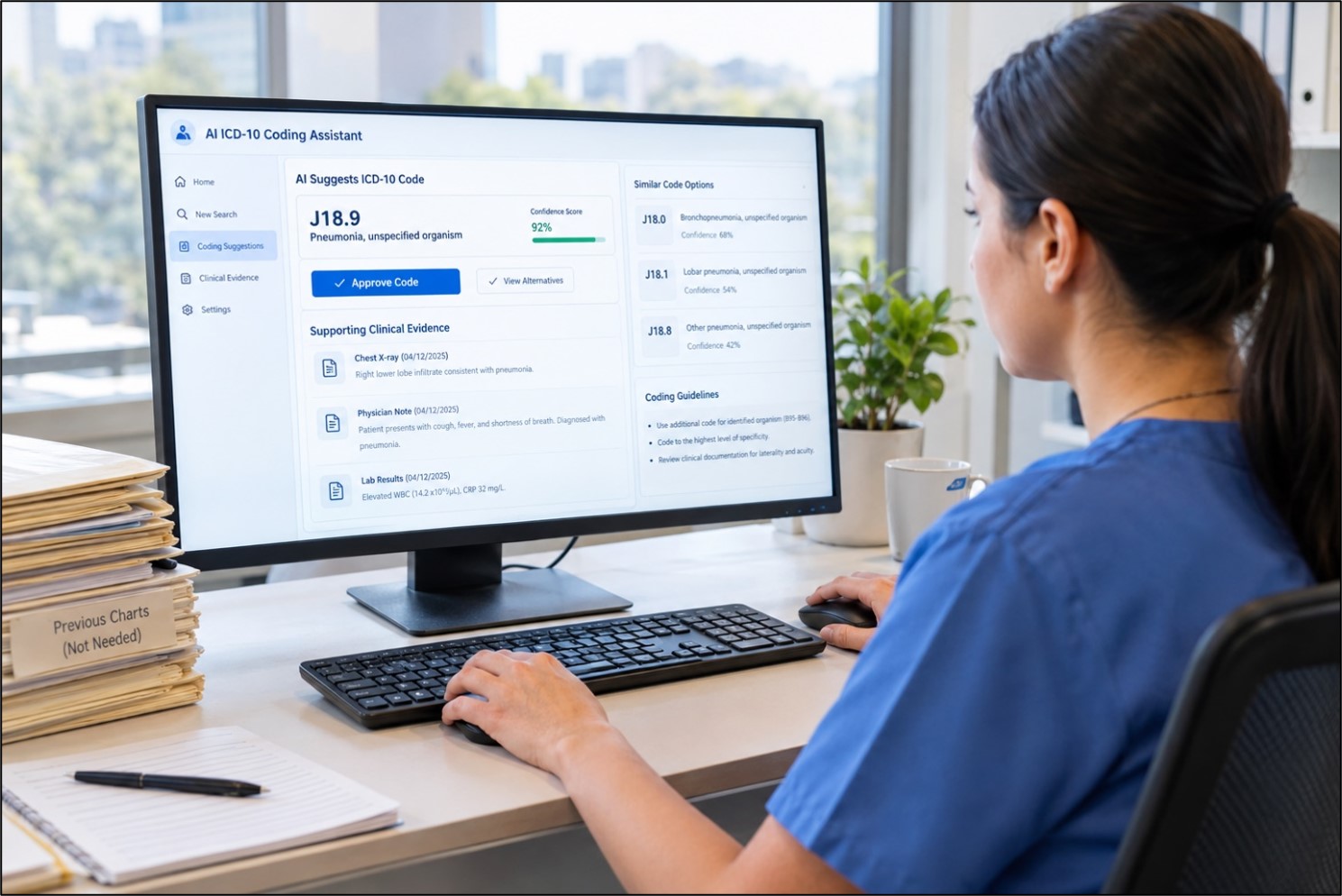
Look for built-in QA and coding that run continuously, check every chart rather than a sample, and rank issues by dollars at risk. Ask how the system helps you defend an ADR. If QA is still a manual, end-of-episode scramble in the new system, you haven't fixed the expensive problem.
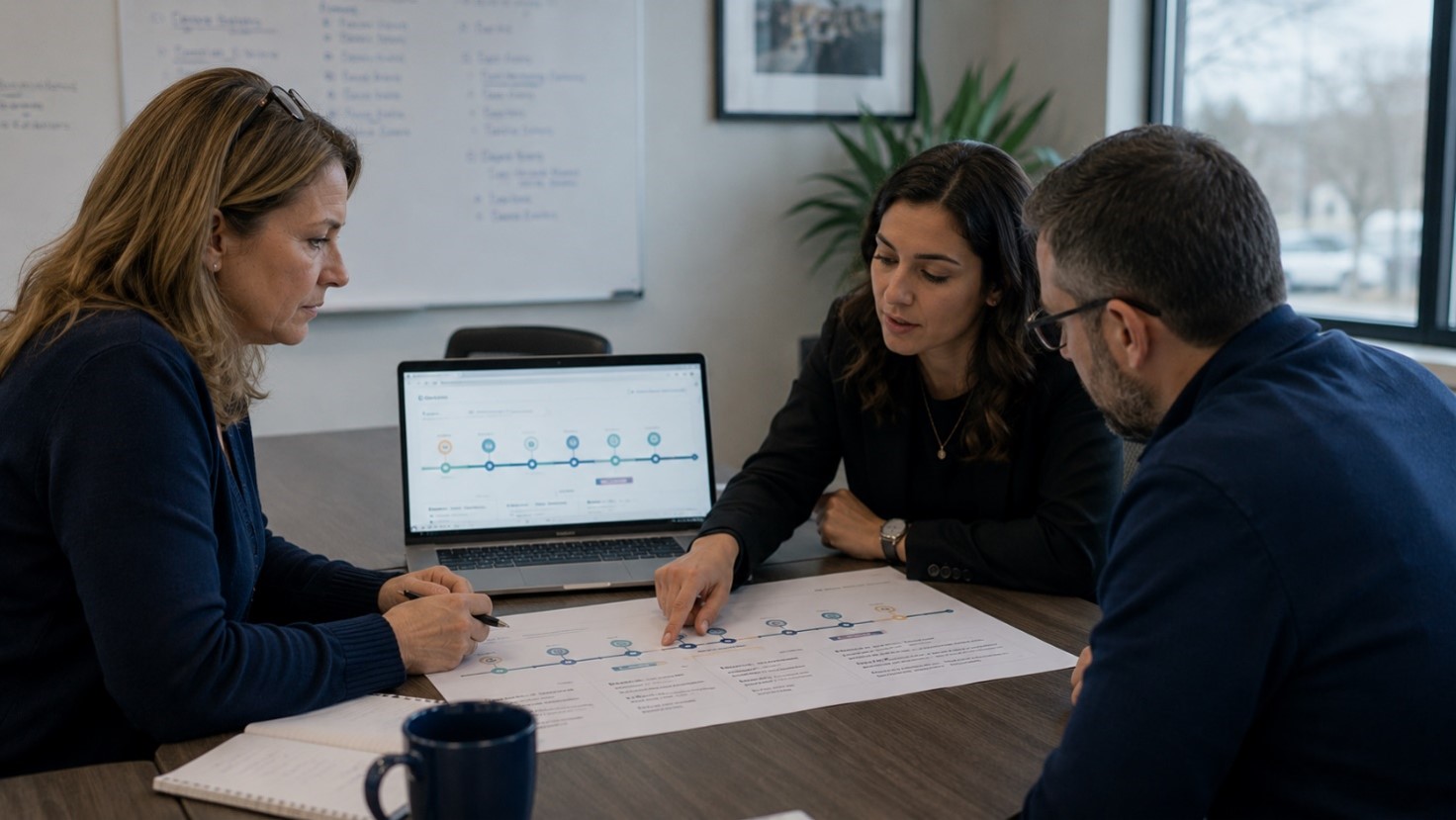
This is where agencies get burned. Ask hard questions about data migration, timeline, training, and what "go live" actually means. How much of your history comes over? How long until clinicians are productive? Who's on the hook when something breaks in week two?
A good partner will be specific and won't pretend it's effortless. Be wary of anyone who waves this away.
The best EMR on paper fails if nurses and therapists won't touch it. Adoption is a real risk, not a footnote.
The tell is whether the system reduces the clinician's burden or just relocates it. If documentation is captured from the visit instead of typed from memory, adoption tends to take care of itself, because you're giving people their evenings back. If it's just a new set of screens to fill out, expect a fight.
Skilled home health is not general healthcare software. PDGM, OASIS-E, the ADR process, the survey reality these are specific, and a team that learned them from the field builds differently than one that read about them.
Ask where the workflows came from. The good ones started as real feedback from operators and clinicians, not a whiteboard.
Don't evaluate on feature lists. Every EMR demo looks great for the forty-five minutes it's on the screen.
Evaluate on the things that decide whether you thrive: does it run the whole episode as one system, is the AI native and compliance-aware, does it protect reimbursement and survive an ADR, is the migration honest, and will your clinicians actually use it.
Switching is a big decision. Made on the right criteria, it's how a skilled agency stops bleeding and sets a new standard for how it operates.
That's the bar we hold ourselves to with every agency that moves to us.
See what an end-to-end AI EMR for skilled home health looks like.
.svg)


.png)