NEW: AutoMynd Unveils Patient-Centered AI EMR, Automating Episodes From Referral to Reimbursement Read more →
.svg)
.svg)

An EMR decision is a ten-year commitment that most agencies make based on a two-hour demo. That mismatch is how buyer's remorse happens in this industry.
I've sat on both sides of these evaluations. Here's the guide I'd hand any operator starting the process: twelve questions that expose real differences, and a few traps to avoid along the way.
Write down your three most painful workflows today. Not features you want. Workflows that hurt. Maybe it's referral-to-admission time. Maybe it's QA turnaround. Maybe its clinicians charting at 9pm. Every demo you watch, make the vendor walk those three workflows end to end in their system. Vendors steer demos toward their strengths. Your job is to steer them toward your pain.
Then pull your numbers: current days from referral to SOC, days from visit to claim, QA touches per chart, denial rate, and what you spend annually on the EMR plus every tool bolted around it. You can't evaluate improvement without a baseline, and you can't compare costs without the whole stack.
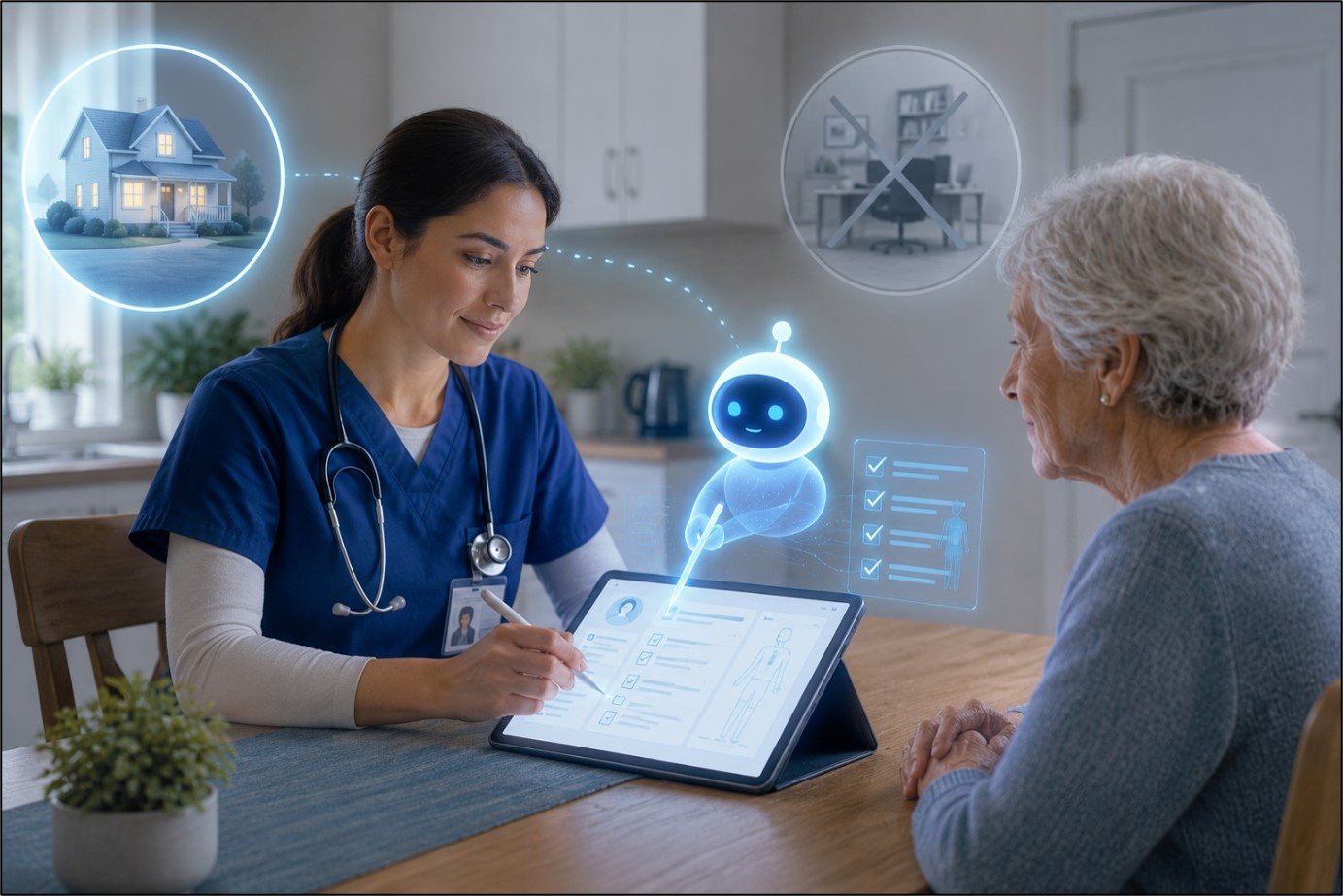
On documentation. One: where do clinicians actually finish their charts, in the home or at home? Two: how does the system handle OASIS-E2 and HOPE, natively structured or as forms the clinician fills unaided? Three: if there's ambient AI, does it write into the assessment itself or into a note someone copies forward?
On quality and compliance. Four: when does QA happen, at the point of care or days later? Five: when the system flags a problem, does it cite the specific evidence from the record, or just flag? Six: show me the audit trail for one visit, from referral to claim. Count how many systems it crosses. Seven: what happens in your system when an ADR arrives?
On revenue. Eight: how does the platform catch missed PDGM comorbidity adjustments before billing? Nine: what's your customers' median days from visit to claim? Ten: when a denial comes back, does follow-up work get created and assigned, or does someone have to notice?
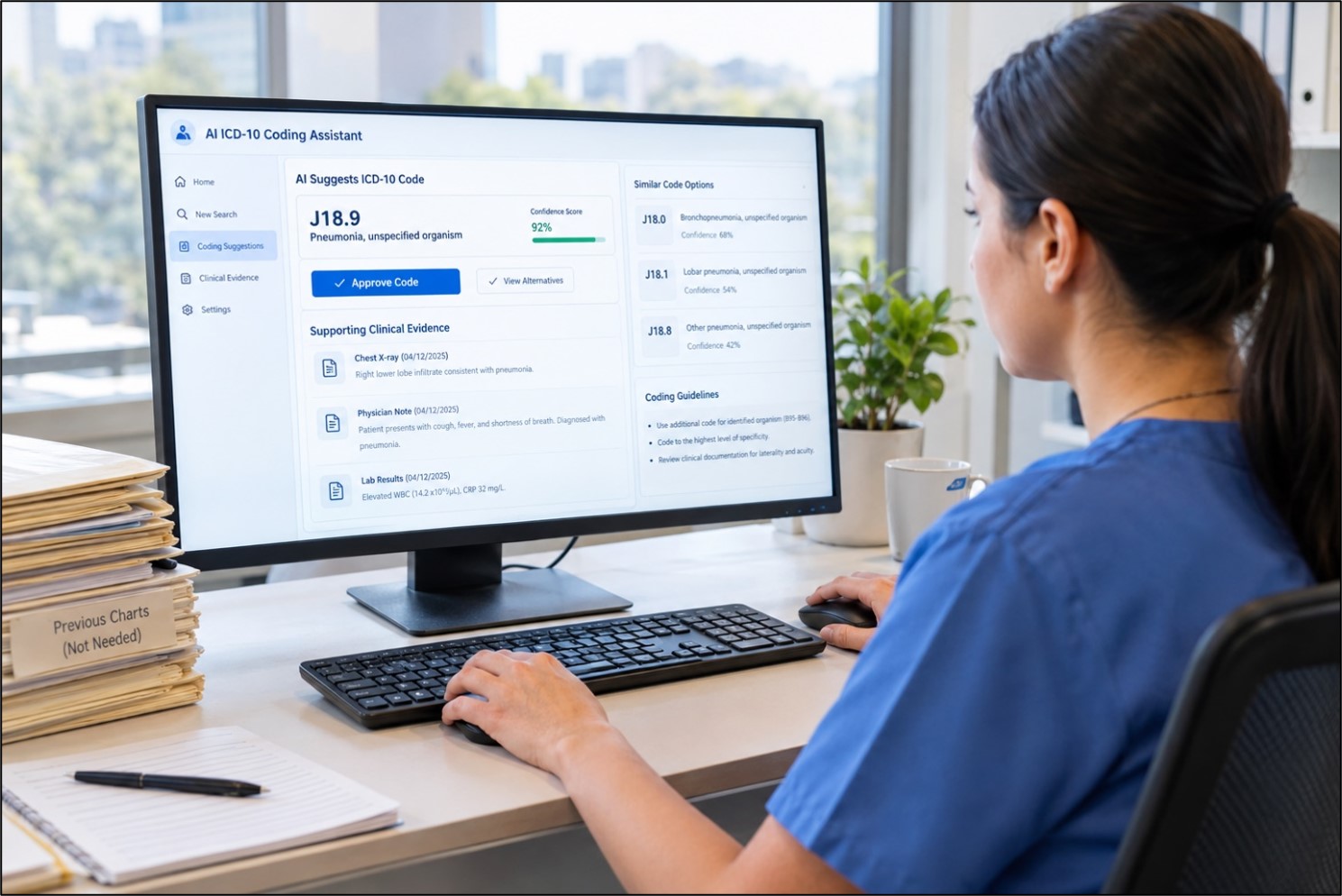
On the AI, if they claim it. Eleven: was the AI built in or bolted on, and does it keep a human decision-maker on every clinical call? Twelve: what does the AI do when it's uncertain? The right answer involves confidence levels and human review, not bravado.
Any vendor can survive four of these. Very few survive all twelve. That's the point.
The pre-loaded patient. Demo environments run on perfect data. Ask them to process a real referral document, one of yours, redacted, mid-demo. Watch what happens to the smoothness.
The roadmap answer. "That's coming next quarter" means it doesn't exist. Evaluate what ships today.
The integration wave-off. "We integrate with that" can mean a real-time API or a nightly file drop that breaks monthly. Ask which.
The champion demo-er. The person demoing is the best user of that system in the world. Ask instead how long it takes a new field nurse to reach competence, and what percentage of customers' clinicians finish documentation in the home.
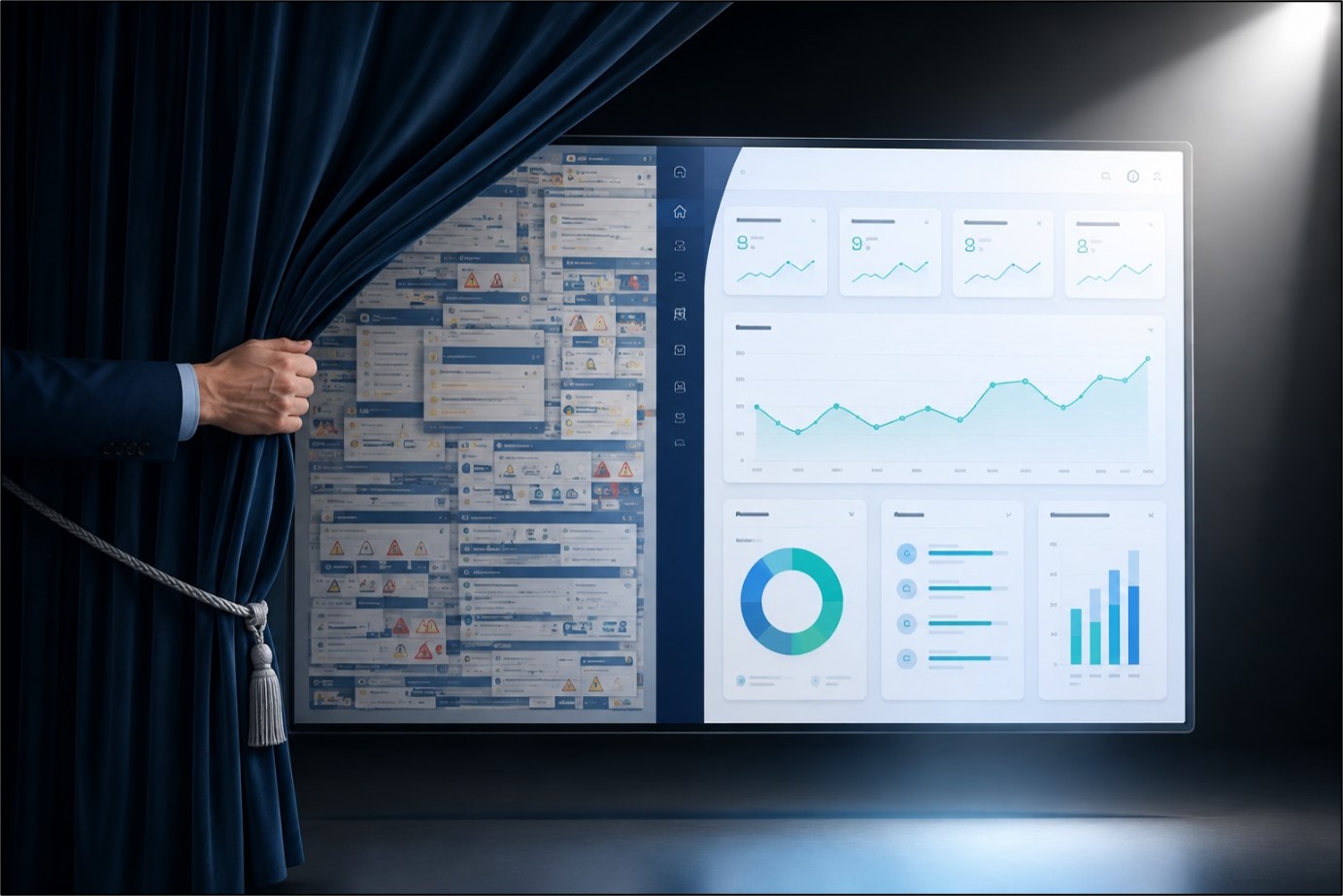
Vendors give you their happiest customers. Fine, call them anyway, but ask questions the vendor didn't prep: what surprised you after go-live? What do you still work around outside the system? If you were signing again today, what would you negotiate differently? What did implementation actually take versus the quote?
Then find one customer they didn't offer you. Industry groups and state associations make this easy. That one call is usually worth the other three combined.
Score the twelve questions, weight the ones tied to your three painful workflows, and compare whole stacks on cost, not license lines. Then ask the question underneath all of it: is this platform a system of record or a system of action? One stores what happened. The other moves the work: drafted, ranked, and routed to the person who finishes it.
CMS scrutiny is rising, margins are tightening, and the gap between those two kinds of platforms decides more than convenience now. It decides audit outcomes and payroll.
We built AutoMynd to answer these twelve questions well. Bring them to our demo and every other vendor's, and hold us all to the same standard. That's how this market gets better for everyone.
Book yours at automynd.com.
.svg)


.png)