NEW: AutoMynd Unveils Patient-Centered AI EMR, Automating Episodes From Referral to Reimbursement Read more →
.svg)
.svg)

A physical therapist stands in a dimly lit kitchen at 6:00 PM, trying to balance an iPad on a kitchen counter while a patient explains their pain levels. The therapist taps frantically on a screen, navigating through five different sub-menus just to log a single pain score. This is the frustrating reality of the modern home health EMR environment. Decades ago, medical software promised to liberate clinicians from the tyranny of paper charting, but instead, it just traded a physical filing cabinet for a digital grid of rigid, non-negotiable text boxes.
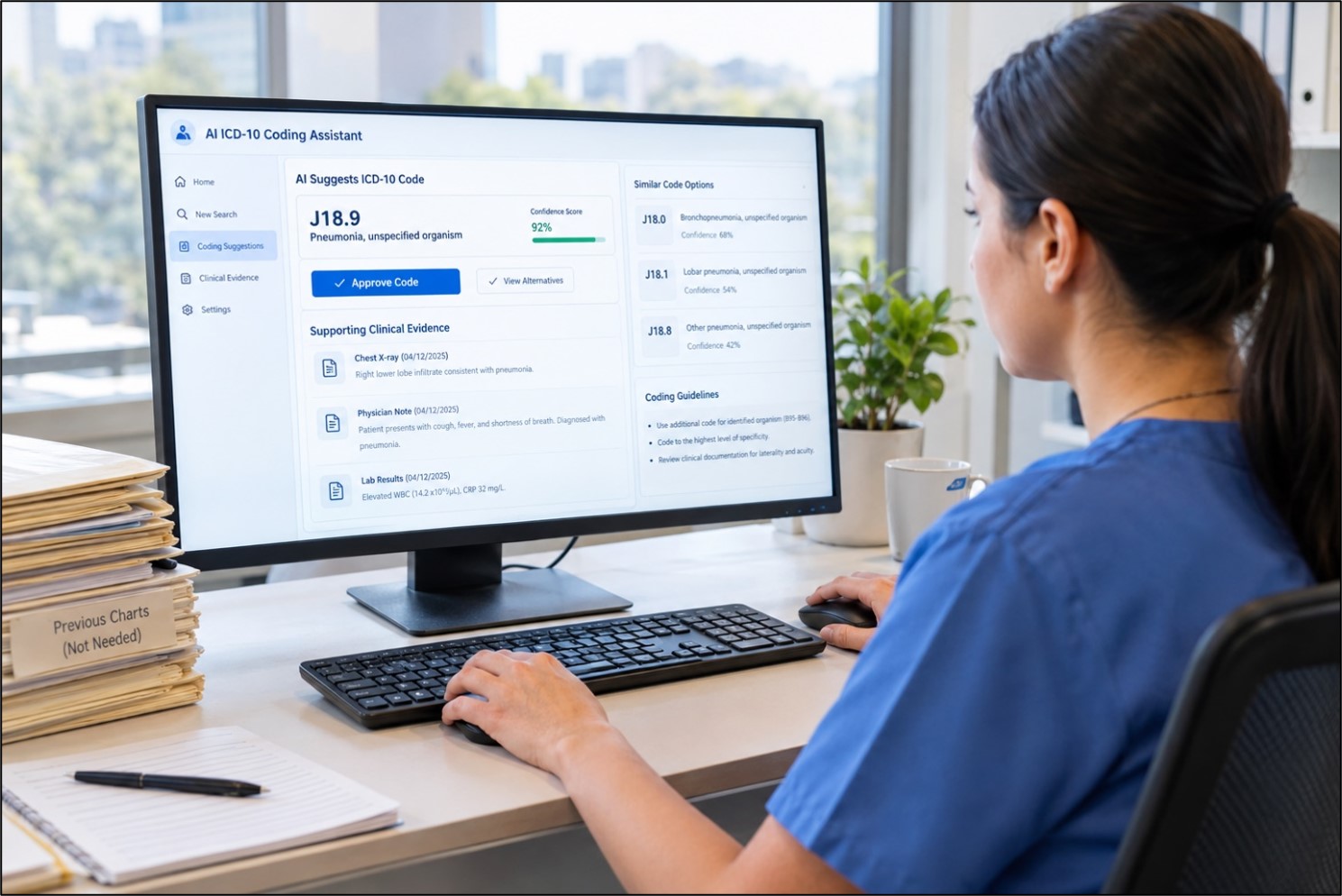
The underlying problem is that standard electronic charts are passive storage lockers. They wait for a tired human being to type data, format notes, and click save. But a massive shift is happening across post-acute care operations. You will learn how the industry is moving past basic record-keeping toward active, fully integrated software systems that analyze conversations, build records, and take the administrative burden entirely off your staff.

Medical documentation has evolved through distinct operational phases, each trying to solve the problems of the previous setup. Understanding where your agency sits on this timeline is crucial for assessing your daily operational efficiency.
Paper charts defined the first era. It was a messy world of physical manila folders, missing pages, and unreadable doctor handwriting hidden away in office drawers. The second era brought the traditional electronic medical record, which simply digitized that paper structure. While it made searching for a patient profile faster, it actually increased the amount of time nurses spent typing, turning highly trained clinical specialists into glorified data-entry clerks.
The third era, which is unfolding right now, belongs to the autonomous platform. This architecture treats data as something to be understood and acted upon instantly, rather than just stored. It bridges the gap between raw patient interactions and formal compliance charting without forcing the human provider to act as a middleman translator.
When a software architecture is built around an active engine, the relationship between the provider and the technology shifts entirely. The software stops feeling like an administrative chore and begins functioning as an invisible office assistant.
Active systems create specific operational changes that fundamentally alter how field staff spends their working hours:
• Automated Audio Conversion: Instead of typing summaries after a home visit, the software uses secure ambient listening to track the conversation between the provider and the patient. It intelligently translates that natural dialogue straight into highly structured medical records.
• Smart Travel Briefings: Field providers spend hours driving between appointments. An active platform utilizes intelligent voice assistants to summarize upcoming patient files aloud through a car stereo, maximizing dead transit time.
• Camera-Based Medication Logs: Instead of typing out dozens of long prescription names, a clinician can take a quick picture of a patient's medication bottles. The platform automatically reads the labels and updates the master chart.
• Dynamic Multi-Document Auditing: Rather than checking individual text boxes, the system scans the entire history of patient records across multiple visits to flag compliance problems before billing submissions happen.
Sticking with a basic storage system carries a heavy financial penalty. When clinicians spend hours typing out routine visit notes or fighting with massive medical forms, your agency loses money. Documentation burnout is the leading cause of nursing turnover, and replacing a single field nurse can cost an agency upwards of twenty thousand dollars in recruiting and training fees.
Furthermore, traditional data entry leads to human error. A tired therapist charting at 9:00 PM might accidentally leave out a crucial compliance metric, leading to immediate claim rejections and delayed reimbursements. An active system eliminates these financial leaks by handling the background organization automatically, ensuring that every note matches strict regulatory frameworks from the very first draft.
Agencies looking to optimize their workflows must look beyond basic software features. During vendor presentations, ask what happens after a piece of data enters the system. If your staff still has to copy, paste, and manually sort files across different screens, you are dealing with a passive storage locker.
The ultimate goal of modern medical technology is to disappear into the background. It should allow your clinical team to put their devices down, look their patients in the eye, and focus entirely on providing exceptional human care.
The massive operational pressures facing today's home care market cannot be solved by forcing staff to work faster or type harder. The old digital structures are failing the workforce, and agencies need tools that actively reduce the manual burden. True operational freedom requires a platform that works just as hard as your field clinicians do. AutoMynd provides a fully native platform built specifically to automate the heavy lifting of post-acute care, turning passive documentation into active support and giving your team the freedom to focus on what matters most.
A passive system acts as a digital filing cabinet that requires constant manual data entry, typing, and clicking from staff members. An active platform uses intelligent automation to listen to patient visits, extract clinical facts, and automatically fill out required forms without human manual labor.
The software utilizes secure voice integration to provide hands-free audio summaries of patient records while a provider is driving. This allows field staff to prepare for their next clinical encounter safely on the road without needing to read screens.
Yes, modern platforms use specialized image recognition to parse information from physical medication labels. By taking a simple photo of the bottles, the system instantly identifies the medication names and coordinates the details with the master patient chart.
By removing hours of tedious evening paperwork and clicking from the daily routine, automated systems dramatically reduce workplace exhaustion. Clinicians regain their work-life balance, which directly results in higher job satisfaction and lower staff turnover.
.svg)


.png)